















Travis Scott Edition Season Release

Jordan Footwear for Men: How to Get Your Perfect Size
The thrill of opening a fresh pair of Jordans can be quickly killed when you realize they don’t fit properly. You’ve patiently waited for the package, eagerly watched the tracking number, and now the sneakers are either cramping your toes or flopping around your foot. It happens more often than you’d imagine — Jordan Brand receives thousands of wrong-size returns every month, and a great deal of that disappointment could be prevented with the right insight in advance. The fact is, Jordan sneakers don’t all fit the same way. Various silhouettes, upper materials, and construction methods mean your size in an Air Jordan 1 won’t necessarily equal your size in an Air Jordan 11. This guide details everything you must know about getting the optimal sizing in Jordan footwear for men. By the time you are done, you’ll never doubt a Jordan size again.
Why Jordan Sizing Is Complex
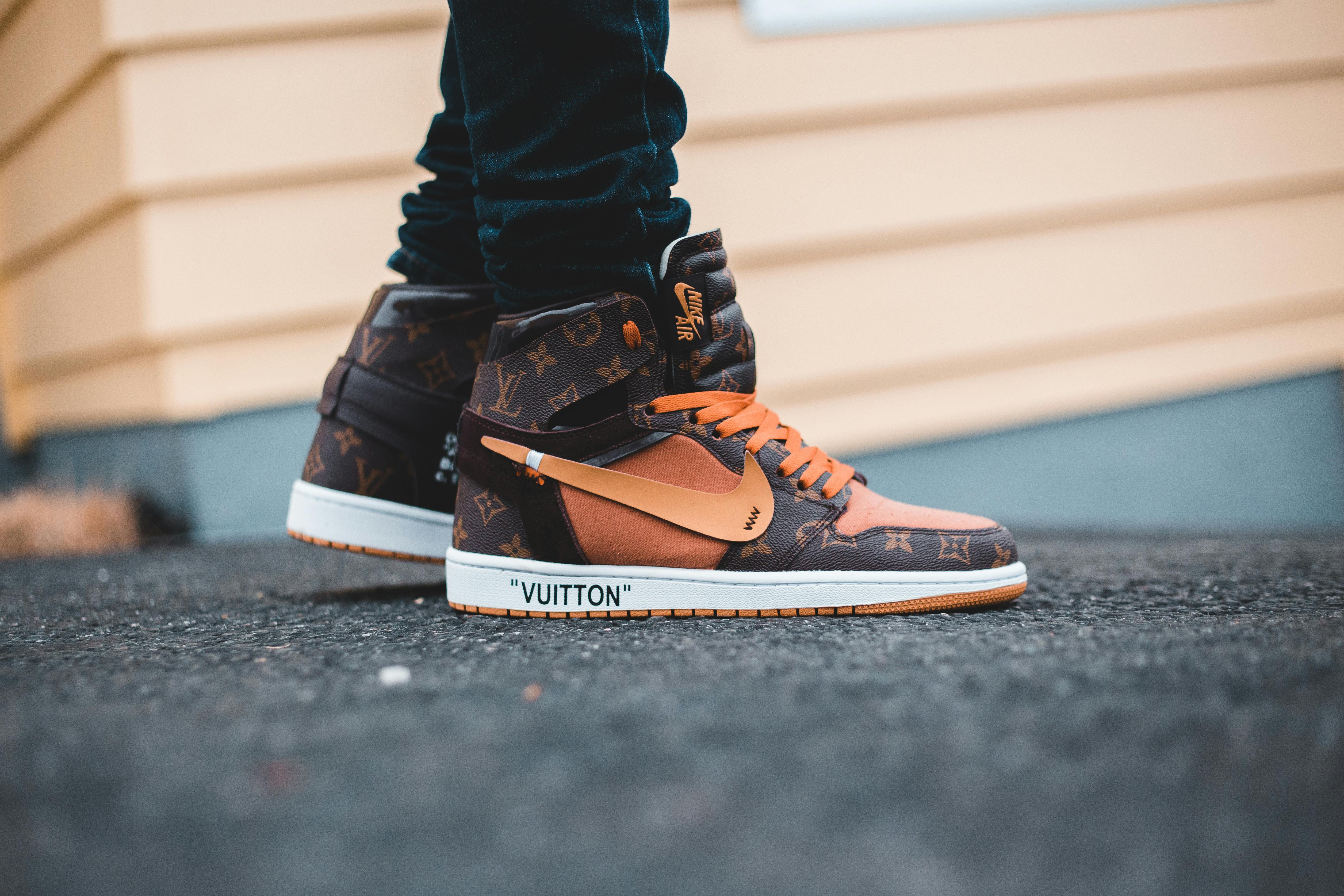
The common assumption is that sneaker sizing is universal — a size 10 ought to be a size 10. But anyone who’s worn more than a few pairs of Jordans realizes that’s simply not true. The Air Jordan 1 uses a cupsole design with a roomy toe box, while the Air Jordan 11 utilizes a Phylon midsole with a tighter, athletics-focused fit. Material options are important as well: leather gives and adapts over time, while synthetic and patent-leather uppers hold their shape. The production year can influence fit — retro drops sometimes use different lasts than the original versions from the ’80s and ’90s. Even within the same silhouette, different colorways using nubuck compared to tumbled leather can vary in feel. Grasping these variables is the distinction between a sneaker that fits like a glove and one sitting unused in your wardrobe.
How to Determine Your Feet at Home
To achieve the correct fit, you should get your true foot dimensions before checking any size guide. Stick a plain sheet of paper to a flat hard surface, place your foot on it with your full body weight balanced equally, and have someone draw around the contour with a pen held perpendicular to the floor. Note the maximum length from heel to toe in centimeters — Nike uses centimeters as the foundation for sizing. Check both cheap jordans feet, because roughly 60% of people have one foot significantly bigger than the other; make sure to choose based on the longer foot. Do this in the end of the day, as feet puff up throughout the day and can be a half-centimeter larger by evening. Allow 0.5-1.0 centimeters to accommodate sufficient breathing room. Record both measurements — you’ll use these numbers every time you buy Jordans online.
Silhouette-by-Silhouette Fit Breakdown
For most people, the Air Jordan 1 High OG goes true to size, but wide-footed wearers may want going half a size up. The Air Jordan 3 fits a bit big due to its spacious toe box, so some buyers step half down. The Air Jordan 4 is complicated — the midfoot cage delivers support that’s painfully narrow for wide-footed wearers, making half a size up the common guideline. The Air Jordan 11 fits true to size, but patent-leather material doesn’t stretch, so size up if between sizes. The Air Jordan 5 fits true to size with standard width and secure tongue fit. For the Jordan 12 and 13, which use more rigid constructions with Zoom Air, choosing your standard Nike size is ideal for average-width feet.
| Jordan Style | Fit Profile | Recommendation | Width Accommodation |
|---|---|---|---|
| Air Jordan 1 High OG | True to size | TTS / Half up for wide feet | Medium |
| Air Jordan 3 | Slightly large | TTS or half down | Wide-friendly |
| Air Jordan 4 | Tight midfoot | Half up for wide feet | Narrow |
| Air Jordan 5 | True to size | TTS | Medium |
| Air Jordan 6 | A bit tight | TTS / Half up for wide | Medium-narrow |
| Air Jordan 11 | True to size | TTS / Half up if between sizes | Medium |
| Air Jordan 12 | True to size | TTS | Medium |
| Air Jordan 13 | Slightly roomy | TTS or half down | Wide-friendly |
The Importance of Foot Width
Most people focus on length, but lateral width is often the actual reason behind painful sneakers. Baseline Jordans come in D width (medium), which accommodates the bulk of men. However, an estimated 25-30% of men have above-average-width feet, and for them, many Jordan styles are restrictively tight across the ball of the foot even when the length fits fine. If you have wide feet, focus on silhouettes with relaxed designs: the Air Jordan 3, Jordan 13, or AJ1 Low provide more width in the toe box. Stay away from styles with tight overlays — the Air Jordan 4 and Air Jordan 9 are infamous for a painful fit on broad feet no matter the size. Some specialty retailers provide select models in wide (2E) sizing, though selection is restricted to non-limited colorways.
The Wear-In Period
Don’t judge new Jordans wholly on the initial feel, because most models have a real break-in period that reshapes the fit. Leather-paneled Jordans like the AJ1 and AJ12 typically need 5-7 days of daily wear before the leather softens and conforms to your foot. Patent leather and synthetics, found on the AJ11 and certain AJ4 colorways, have little break-in because these fabrics won’t give appreciably. Nubuck and suede uppers on the AJ4 and AJ5 fall in the middle — they relax somewhat but won’t dramatically change shape. During the breaking-in phase, wear thicker socks and restrict sessions to a few hours. If a shoe is causing real pain out of the box, it’s the wrong size — no wearing-in period will remedy that.
How to Buy Jordans Online
Purchasing Jordans online is commonly the only choice for limited releases, and choosing the right size without physically testing them requires a systematic strategy. Make sure to read product pages for fit notes — Nike often includes “runs small, order half size up” advisories for silhouettes known to run differently. Browse user reviews paying attention to size-related remarks, especially from commenters who note their foot dimensions or compare the fit to other shoes you already wear. On secondary-market platforms like StockX or GOAT, exchanges are generally not available, which makes fit precision essential — when in doubt, size up rather than down, because a bit roomier shoe can be corrected with thicker socks or an added insole, while a undersized shoe has no real fix. The Nike app’s Nike Fit technology uses your phone camera to map feet and suggest sizes for particular styles, delivering a handy data point to cross-reference with community advice. Shop at sellers with complimentary return shipping — Nike.com, Zappos, Nordstrom — for a fallback option when trying new styles you have not experienced before.
Socks, Return Policies, and Parting Wisdom
Your sock choice changes fit more than you’d believe. Ultra-thin invisible socks leave additional space that results in heel movement, while thick basketball socks contribute 2-3 millimeters of material that can take a snug shoe into painful territory. Mid-weight cotton crew socks are the optimal general choice for most Jordan styles. For gym sessions, moisture-wicking athletic socks from Nike Elite or Stance optimize both fit and comfort. When sizing your feet or doing a try-on, always wear the sock style you will use with your Jordans. As for sending them back: if your toes hit the toe cap, the shoe is undersized — no break-in will fix that. Heel movement when laced tightly means it’s too big. Pressure across the midfoot suggests the shoe’s internal space is inadequate. Most stores offer 30-60 day return windows, and Nike members get a impressive 60-day wearing trial. Refuse to let sunk-cost mentality keep you in uncomfortable kicks — exchanging and being patient for the right size is invariably the right decision.
For official size charts and the Nike Fit sizing tool, visit Nike’s sizing page.